Beyond traditional charity
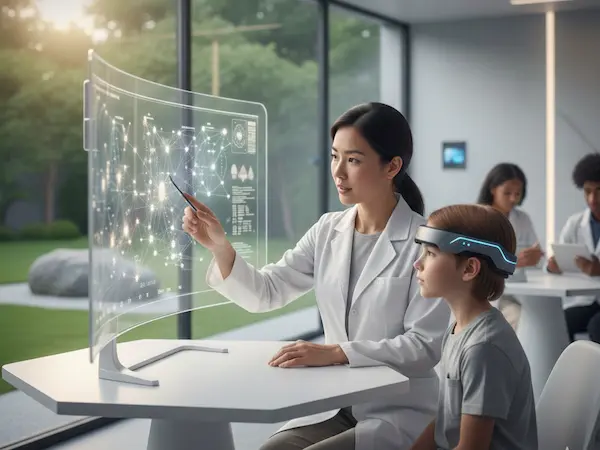
We are a scientific research community
Beyond traditional charity
We are a scientific research community
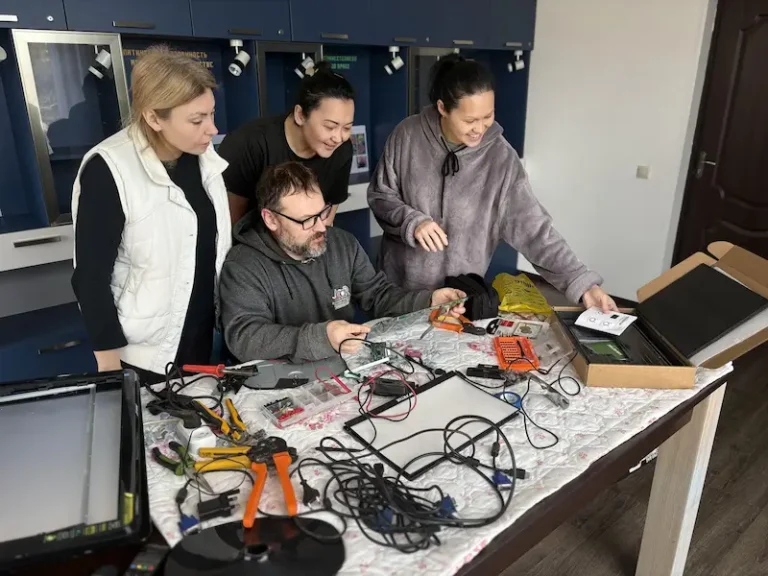
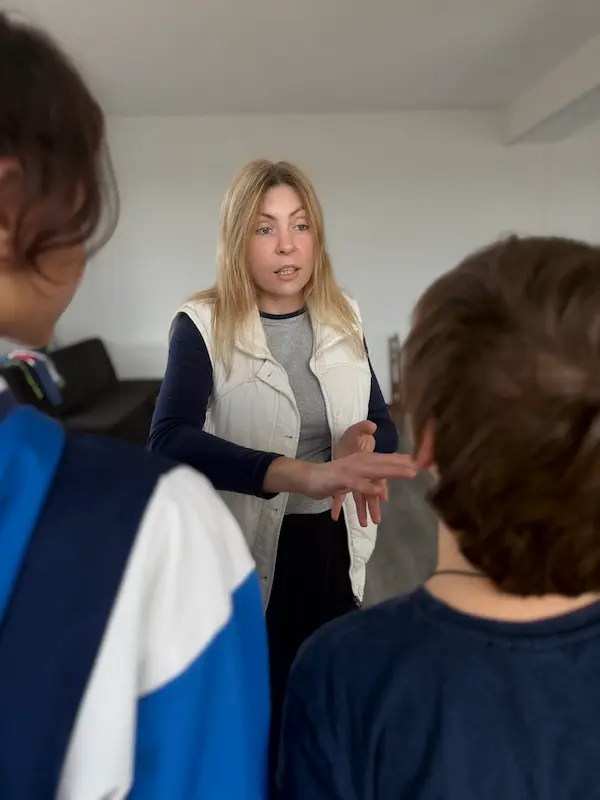
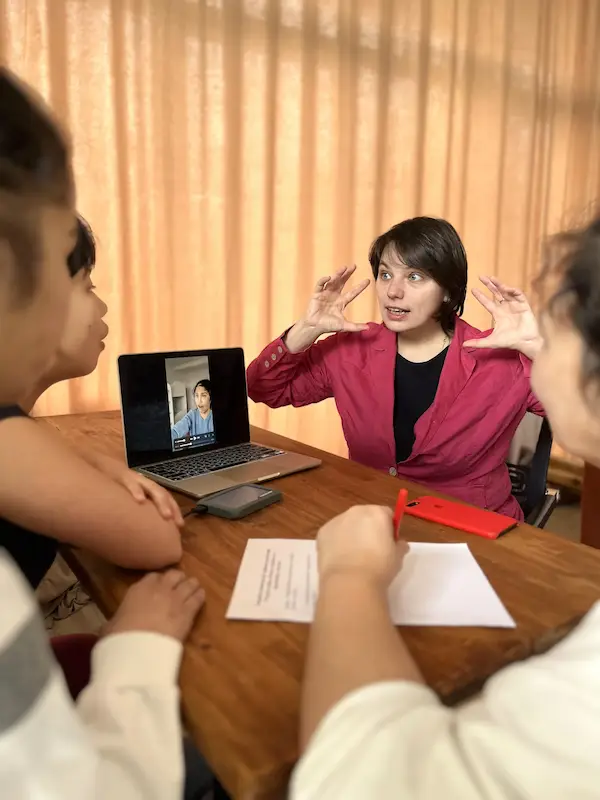
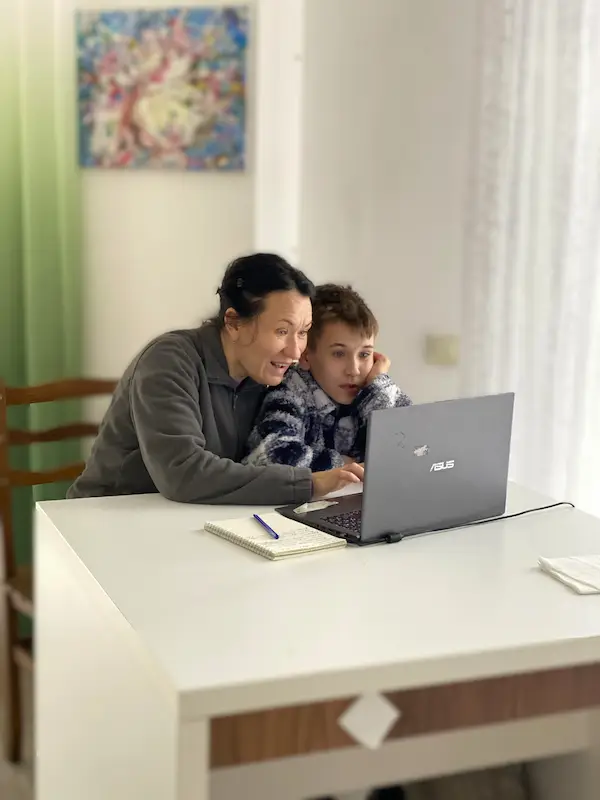
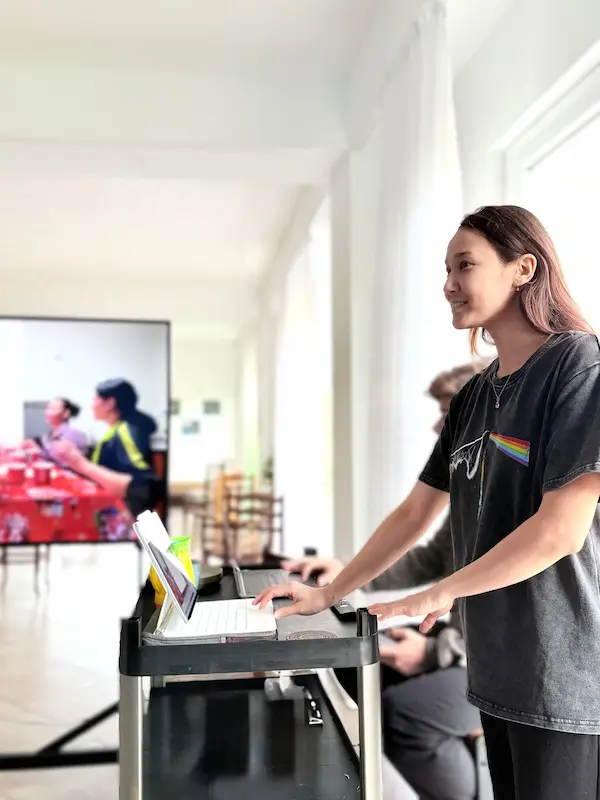
Our project relies not on administrative resources, but on the intellectual and human contribution of every member. We are organized differently from most charities: there is no ‘hired staff’ or outside observers here.


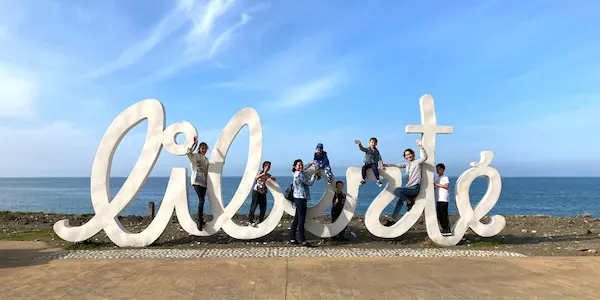
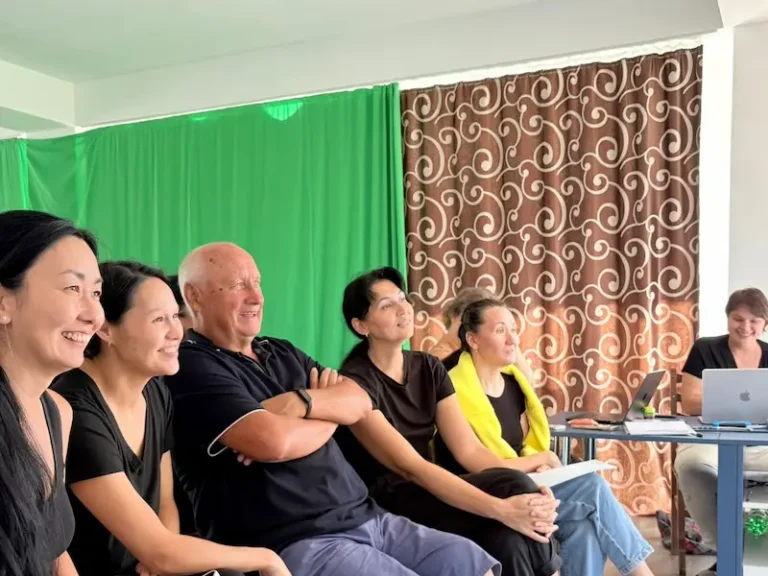
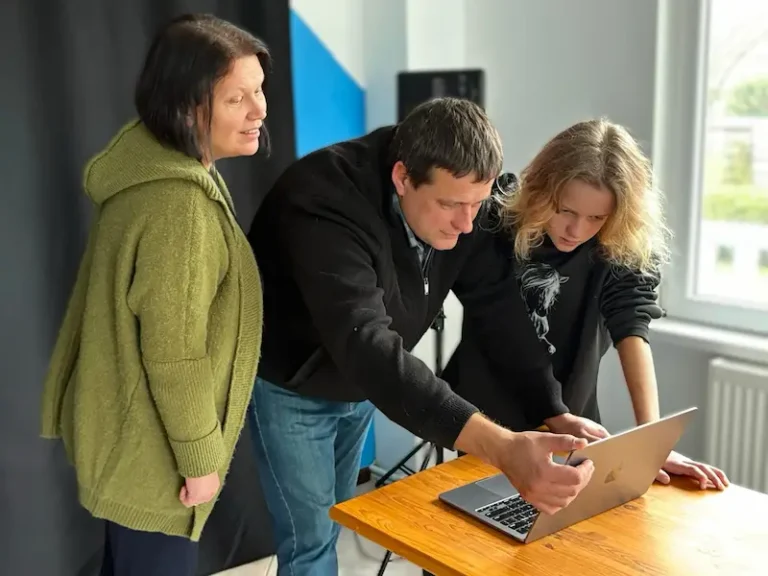
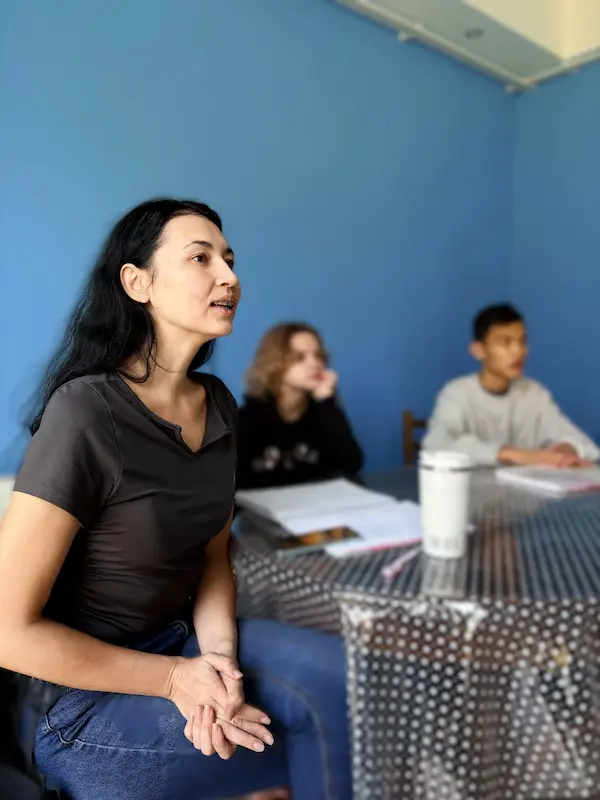
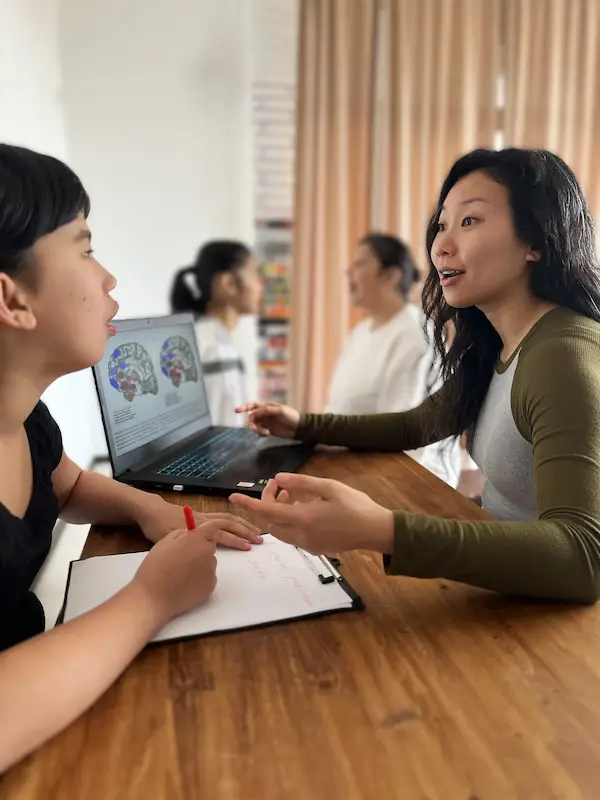
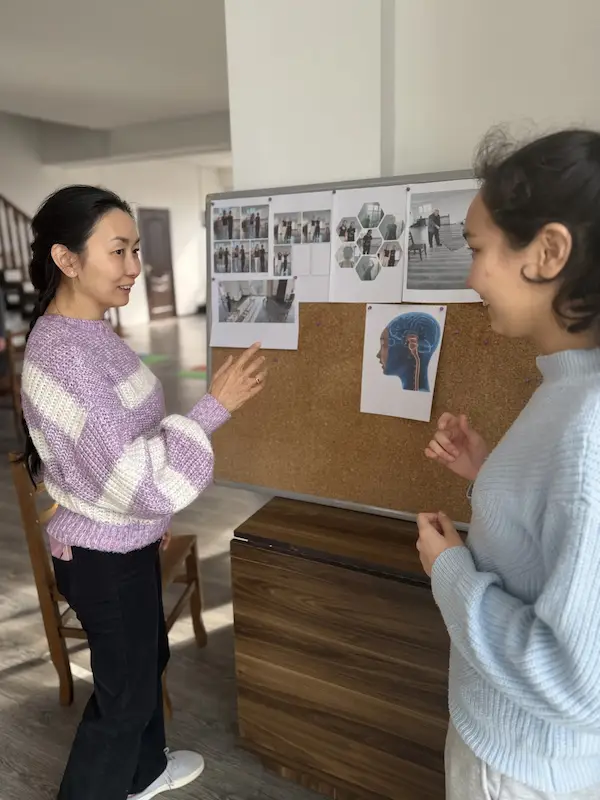
In our Living Lab, scientists, engineers, parents, children, and volunteers unite to turn theory into a real way of life. For us, mental health and empathy are not just subjects of study, but a 24/7 lifestyle: from morning wake-ups and playing together to deep scientific discussions.
Below, you will meet those for whom this project has become a personal experiment in creating a new quality of life.
Nargiz
Impact
Synthesizing personal history and professional expertise to create an inclusive environment. Training interns in the tools of empathy and integrating neurophysiology into a lifestyle that transcends the boundaries of disability.
“I am convinced that mental well-being is not a privilege, but a natural outcome of living in a community where empathy is the baseline norm. Science and high technology can help humanity reclaim this unconditional right — to live a normal, joyful life in accordance with our innate genetic potential.”
Guldana
Impact
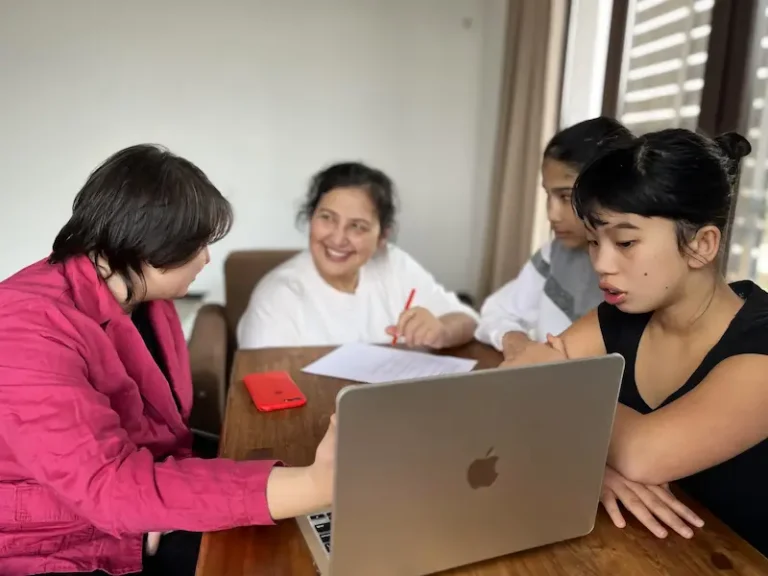
Developing the donor community and transforming their support into involvement in science. Training mothers and interns in empathy methodology. Field testing the ipApp to guarantee the effectiveness of digital solutions in every family.
“My credo is to build a world where advanced technology and scientific discoveries serve human empathy and elevate the level of spiritual life, and where mental health is the foundation for the development of society.”
Inessa
Impact
Scientific research and practical implementation of methodologies in working with autism. Ensuring the accuracy of protocols, working with empirical data, and recording research results through scientific filming.
“I am convinced that real change and meaningful discoveries don’t happen inside an individual state. They appear within the space of direct contact between people and the world around us.”
Aigul
Impact
Participating in the research process alongside her daughter, confirming the effectiveness of the empathy model through a real-life daily example. Precise execution of protocols and recording of changes. Through the child’s movement dynamics and the transformation of the family’s lifestyle, demonstrating how empathic connectivity becomes a functional tool for development.
“Empathic connectedness should be the norm in society, not the exception. People with differences do not only need this approach — they show the world that without it, relationships stop being fully human.”
Elena
Impact
20 years of research into human potential, from brain neurobiology to the creation of living social ecosystems. Building spaces (including digital ones) where the practice of “living science” is open to everyone, and every partner sees a transparent result of their contribution to a shared future.
“I believe that in the world of high technology, human connection remains the main innovation. It is my deep conviction that mental well-being and the joy of development should become a natural part of our social life and the unconditional right of every person.”
Kamila
Impact
Forming a club of donors who support scientific research. Developing communication technologies where each contribution becomes personal participation in a great cause, rather than a formal act of charity.
“I am the mother of a special child, and together with him, I am learning through a research process that helps us work through mental difficulties and restore contact and understanding. I believe that science truly works when it helps people become closer to each other and to life.”
Olga
Impact
Creating a model of professional relationships based on family and community, with empathy as the foundation. Practical research into empathy as a tool for resolving crisis situations. Scaling the social ecosystem and attracting visionaries.
“While technology reaches deep space, human relationships remain in the ‘Stone Age.’ I study how to break these social scripts and achieve authentic contact—not as a theory, but as a 24/7 research process.”
Julia
Impact
25 years of continuity, from labor economics to the architecture of inclusive communities. Designing environments where expert traditions meet technology, transforming partner support into a tangible social asset.
“I believe that sustainable change begins where there is long-term trust and the art of building bridges between people. It is my deep conviction that creating inclusive communities today is the foundation of a world in which human potential becomes more valuable than any formal barriers.”
Alexandra
Impact
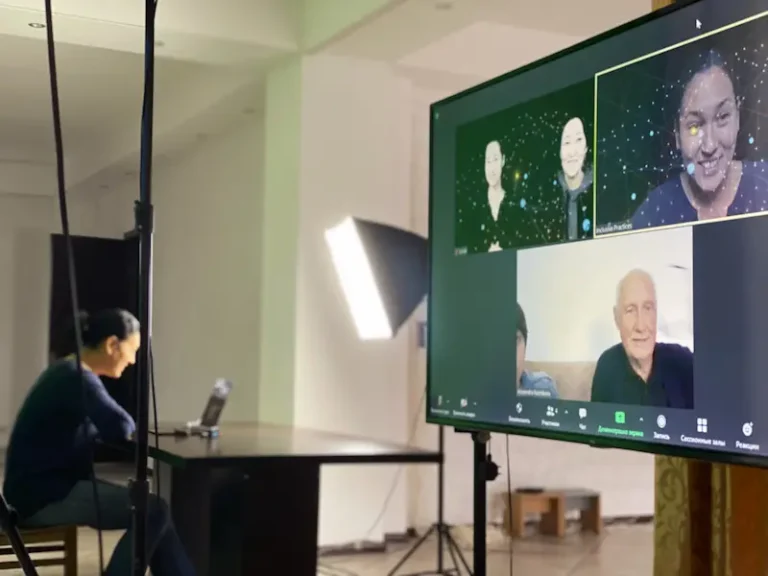
Working with empathy and inclusion practices, interacting with families and teams. Visualizing the project’s meanings through video content and broadcasting the laboratory’s values “from the inside.”
“I believe that inclusion is not about adapting “different” people to the norm, but about expanding the norm itself through human presence and empathy. Everything truly meaningful begins when a person moves beyond their own interests and learns to see the other.”
Vera
Impact
Participating in the research process alongside her child, completing a cycle of exercises and activities to achieve step-by-step results. Ensuring the scientific integrity of the process: strict adherence to protocols, working with empirical data, and participating in filming that records the dynamics of change and validates research findings.
“In every protocol is a path to a person, in every number is a small victory, and in every frame is proof that development is possible.”
Aidana
Impact
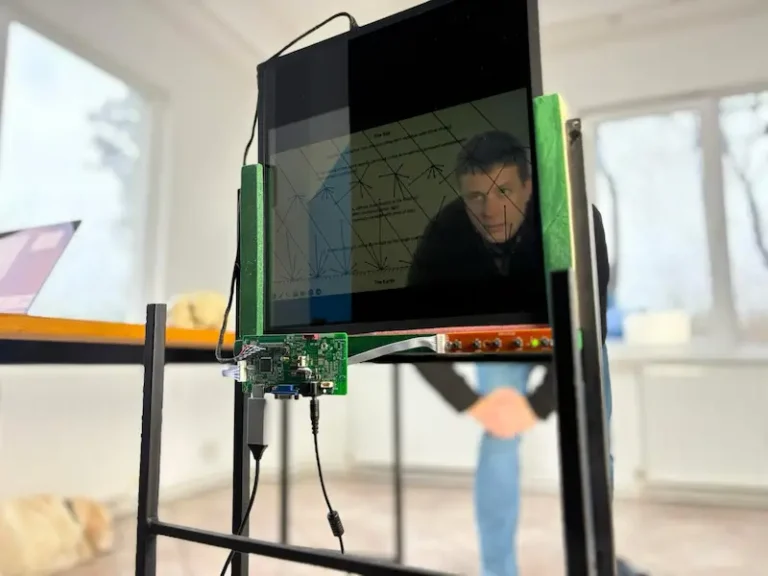
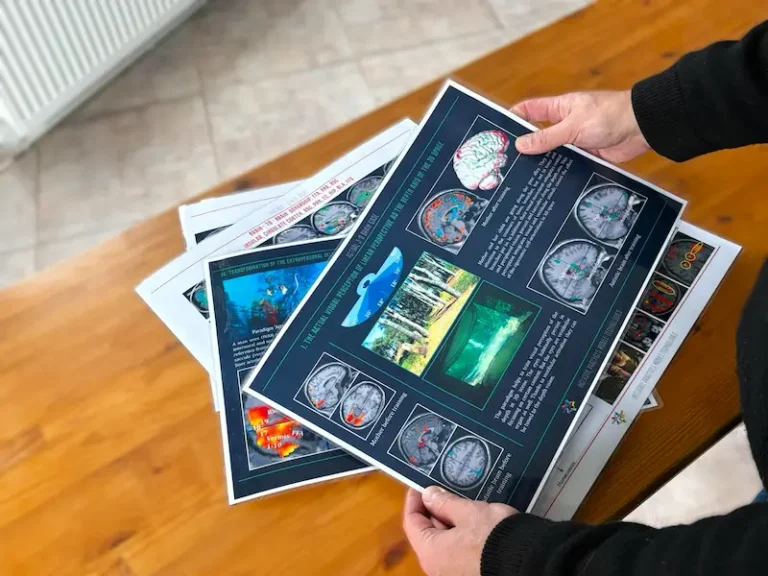
Researching the influence of light, environment, and optical flow on the sense of safety and mental recovery processes. Studying the biological mechanisms of anxiety reduction within the Living Lab environment.
“Mental health is shaped not through interpretations, but through environments that the body can recognize as safe. It is natural and biologically essential for humans to live in a community infused with empathy.”
Kamilla
Impact
Researching ways to remove alienation between mothers and children with autism. Practical cases on overcoming neurophysiological and social limitations (Cerebral Palsy, Multiple Sclerosis) through conscious empathic contact.
““If you can’t explain it simply, you don’t understand it well enough.” (Albert Einstein) I believe it is important to work in such a way that every step and every fact is understandable, verifiable, and obvious.”